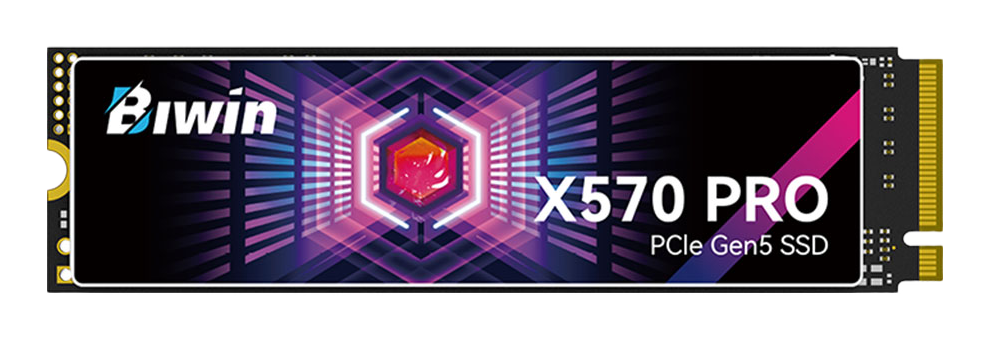
Biwin Black Opal X570 PRO 2TB
2TB · M.2 2280 · PCIe 5.0 x4
Specifications
Yes
DRAM cache
14000 MB/s
Sequential read
13000 MB/s
Sequential write
1500 TBW
Endurance
Family guide
Biwin Black Opal X570 SSDs| X570 PRO This model | X570 | |
|---|---|---|
| Released | 2025 | 2025 |
| Interface | PCIe 5.0 x4 | PCIe 5.0 x4 |
| Read | 14000 MB/s | 14500 MB/s |
| Write | 13000 MB/s | 10000 MB/s |
| Endurance | 1500 TBW | 1200 TBW |
| Summary | The 8TB is double-sided, so it may not fit some laptops; the 1TB to 4TB are single-sided. | DRAM-less, unlike the X570 PRO. |
Capacity grid
| 1TB | 2TB | 4TB | 8TB | |
|---|---|---|---|---|
| X570 PRO | $219.99 | $439.99 This model | $739.99 | No listings |
| X570 | $194.99 | $389.99 | $649.99 | Not available |
How it compares
Explore current prices and specifications in the category table. View all SSDs →
Select a tick for details and a product link.
Read chart product details
Price history
No price history available
Affiliate link disclosure: some product links on this page may be affiliate links. If you click on these links and make a purchase, we may earn a commission. This doesn't affect the price you pay or influence which listings are displayed.