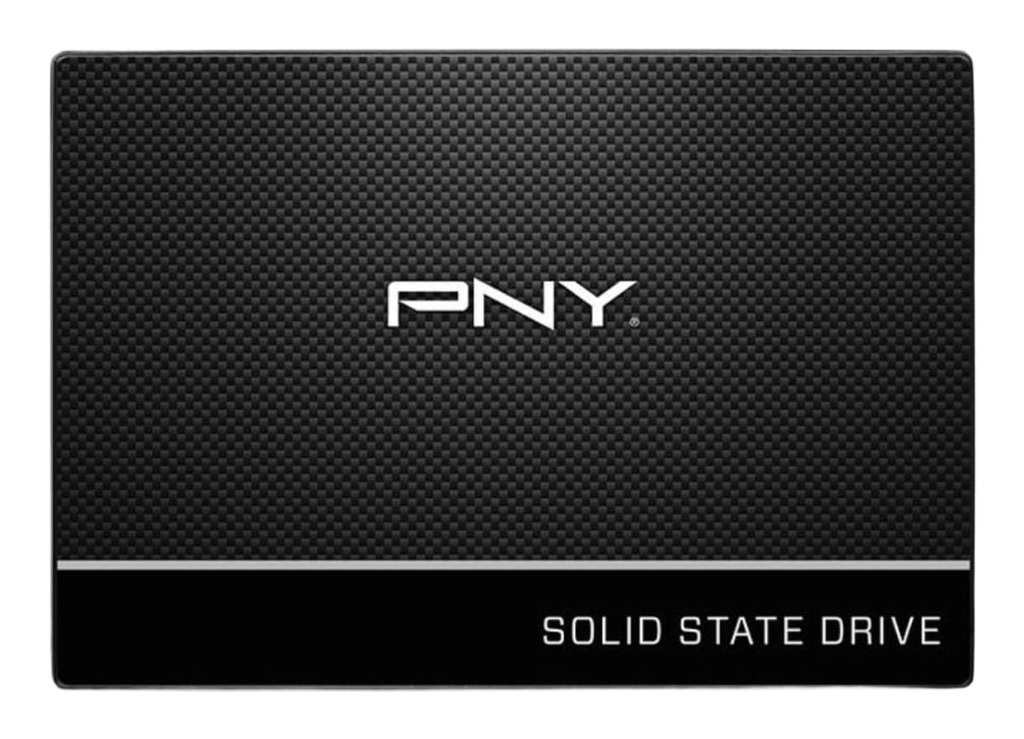
PNY CS900 500GB
500GB · 2.5" · SATA III
Specifications
No
DRAM cache
550 MB/s
Sequential read
500 MB/s
Sequential write
200 TBW
Endurance
Capacities
| 120GB | 240GB | 250GB | 500GB | 1TB | 2TB | 4TB | |
|---|---|---|---|---|---|---|---|
| CS900 | Out of stock | Out of stock | $59 | $109 This model | $179 | $368.98 | Out of stock |
Price history
$300$225$150$75$0
22 Apr06 Jun22 Jul06 Sept22 Oct
Price history excludes Amazon sources
Affiliate link disclosure: some product links on this page may be affiliate links. If you click on these links and make a purchase, we may earn a commission. This doesn't affect the price you pay or influence which listings are displayed.
Listings
Listings sorted by Price, ascending.
PNY CS900 500GB 2.5" SATA SSD Scorptec $109.00 PNY CS900 2.5-Inch 500GB SATA3 SSD Out of stock Amazon AU — PNY CS900 500GB 2.5" SSD SATA3 515MB/s 490MB/s R/W 200TBW 99K/90K IOPS 2M hrs MT Out of stock Ebay AU — PNY CS900 500GB 3D NAND 2.5" SATA III Internal Solid State Drive (SSD) - (SSD7CS900-500-RB) Out of stock Amazon AU — PNY CS900 500GB 3D NAND 2.5” SATA III Internal Solid State Drive, 2 Pack - (SSD7CS900-500-RBX2) Out of stock Amazon AU —