ADATA Ultimate SU630 1.92TB
1.92TB · 2.5" · SATA III
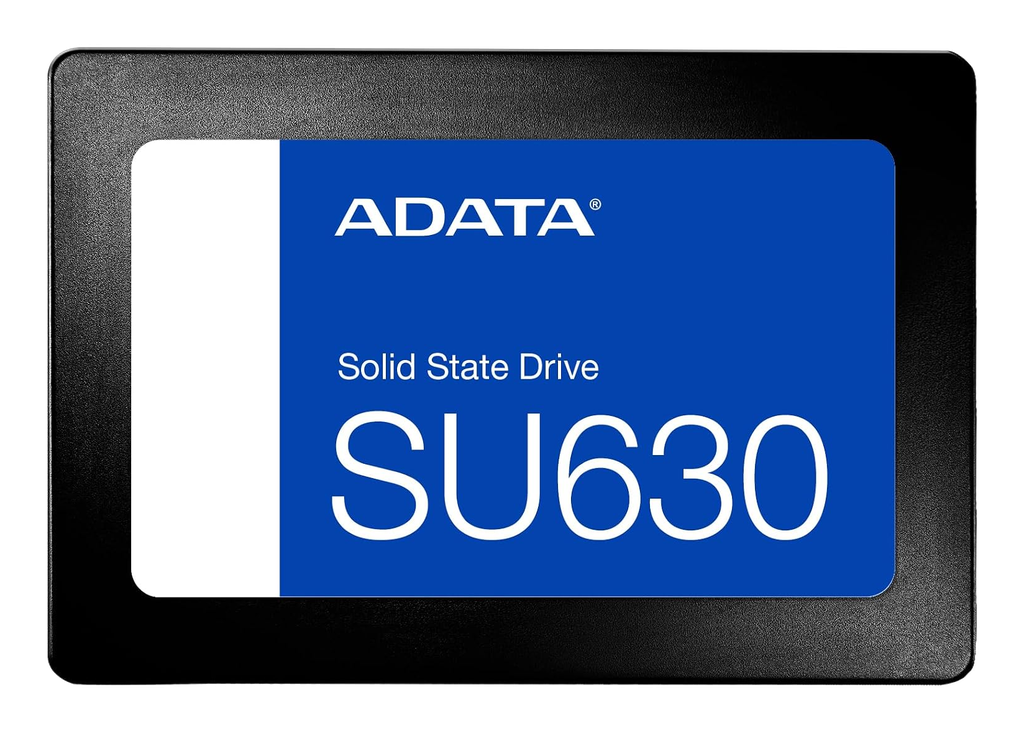
Specifications
No
DRAM cache
520 MB/s
Sequential read
450 MB/s
Sequential write
400 TBW
Endurance
Family guide
ADATA SATA SSDs| Ultimate SU800 | Ultimate SU630 This model | SU650 | |
|---|---|---|---|
| Released | 2016 | 2018 | 2018 |
| Interface | Not available | SATA III | Not available |
| Read | Not available | 520 MB/s | Not available |
| Write | Not available | 450 MB/s | Not available |
| Endurance | Not available | 400 TBW | Not available |
| Summary | The only member with a DRAM cache; it shares TLC flash with the SU650, while the SU630 uses QLC. | QLC flash without DRAM; writes can slow sharply once the cache fills. | TLC flash without DRAM; parts vary between batches, so drives of one capacity can perform differently. |
Capacity grid
| 240GB | 256GB | 480GB | 512GB | 960GB | 1TB | 1.92TB | |
|---|---|---|---|---|---|---|---|
| Ultimate SU800 | Not available | $225.23 | Not available | Out of stock | Not available | No listings | Not available |
| Ultimate SU630 | $99.83 | Not available | $146.19 | Not available | $237.79 | Not available | No listings This model |
| SU650 | $69 | $64 | $186.40 | $108.95 | $266.04 | $199 | Not available |
How it compares
Explore current prices and specifications in the category table. View all SSDs →
Select a tick for details and a product link.
Read chart product details
Price history
No price history available
Affiliate link disclosure: some product links on this page may be affiliate links. If you click on these links and make a purchase, we may earn a commission. This doesn't affect the price you pay or influence which listings are displayed.
Listings
Listings sorted by Price, ascending.
No available SSDs right now.