Nvidia GeForce GTX 1650
Released 2019/04
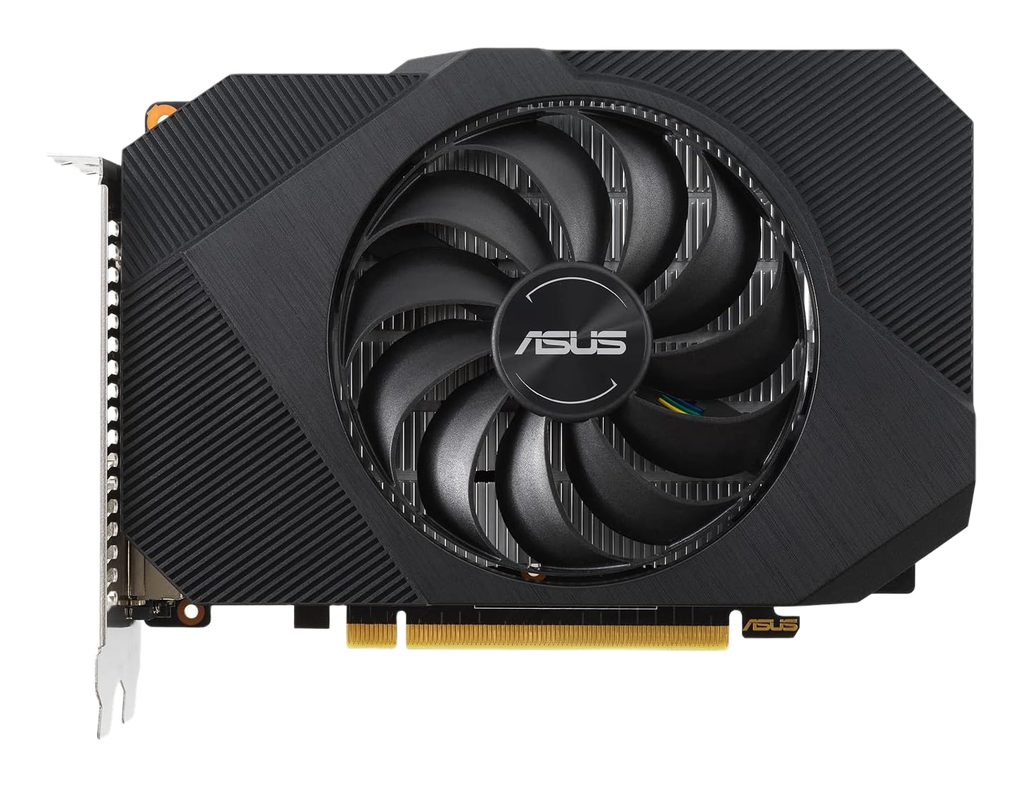
ASUS Phoenix GeForce GTX 1650 OC Edition 4GB GDDR6
Specifications
4 GB
GDDR5 VRAM
128.1 GB/s
Bandwidth
1485 MHz
Boost clock
75 W
Board power
About this GPU
The Nvidia GeForce GTX 1650 is a discontinued, entry-level graphics card based on the older Turing architecture. Originally released in 2019, it primarily served as a low-power, compact solution for basic desktop systems, particularly OEM pre-builds lacking supplemental PCIe power cables. Nvidia officially ceased production of the 16-series lineup in early 2024, relegating the GTX 1650 entirely to legacy status. In the 2026 landscape, it functions strictly as a retrofit component for aging office PCs or a basic display adapter for lightweight, older software.
By modern standards, the GTX 1650 faces severe performance limitations. Its 4GB VRAM buffer is a hard bottleneck for current game engines, routinely causing texture pop-in, heavy stuttering, and application crashes if visual settings are pushed beyond their minimums. Furthermore, the older GTX branding indicates a lack of the hardware required for DLSS upscaling or hardware-accelerated ray tracing. While the card can still maintain playable framerates in older esports titles at 1080p, running current-generation AAA games requires dropping internal rendering resolutions to 720p and utilizing the absolute lowest visual presets. Buyers requiring functional performance in modern 3D workloads must look toward current-generation architectures.
Pros and Cons
Pros:
- Operates within a strict 75W power footprint, with many models drawing all necessary power directly from the motherboard PCIe slot.
- Widely available in single-slot and low-profile physical designs, ensuring compatibility with small form factor (SFF) and restrictive OEM cases.
- Maintains reliable rasterization performance for older esports games and 2D indie titles.
Cons:
- Officially discontinued and relies on an aging feature set that entirely lacks DLSS upscaling, hardware ray tracing, and AV1 video encoding.
- The 4GB memory capacity is deeply inadequate for modern gaming, directly resulting in severe performance drops in newer engines.
- Cannot sustain playable frame rates in current-generation AAA releases without extreme compromises to internal rendering resolution and visual fidelity.
Alternatives
- comparable gpu: Nvidia GeForce RTX 3050 6GB — Fits the exact same technical requirement (a 75W, slot-powered design requiring no external power cables) for upgrading older office PCs, while providing a larger memory pool and access to basic DLSS upscaling.
- budget pick: Arc B580 — A current-generation entry-level card that provides a vastly larger VRAM buffer, modern XeSS upscaling support, and a capable architecture for modern 1080p workloads.
- upgrade pick: GeForce RTX 5060 — Represents the modern baseline for mainstream gaming, delivering current-generation DLSS 4 frame generation, vastly superior memory bandwidth, and a massive leap in raw computational power.
Price history
Price history excludes Amazon sources
Affiliate link disclosure: some product links on this page may be affiliate links. If you click on these links and make a purchase, we may earn a commission. This doesn't affect the price you pay or influence which listings are displayed.
Listings
Listings sorted by Price, ascending.