RTX 5060 Ti 8GB vs 16GB
Both versions have the same GPU; the 16GB version has twice the video memory. In ComputerBase's tests of 27 games at 1440p on PCIe 5.0, the 16GB version averaged 13% higher frame rates and 21% higher 1% lows, and 4 games were unplayable on the 8GB version.
In the US, the cheapest 16GB card is $617.99, $118 more than the cheapest 8GB card at $499.99.
Prices are for in-stock RTX 5060 Ti graphics cards. Updated
| 8GB | vs | 16GB |
|---|---|---|
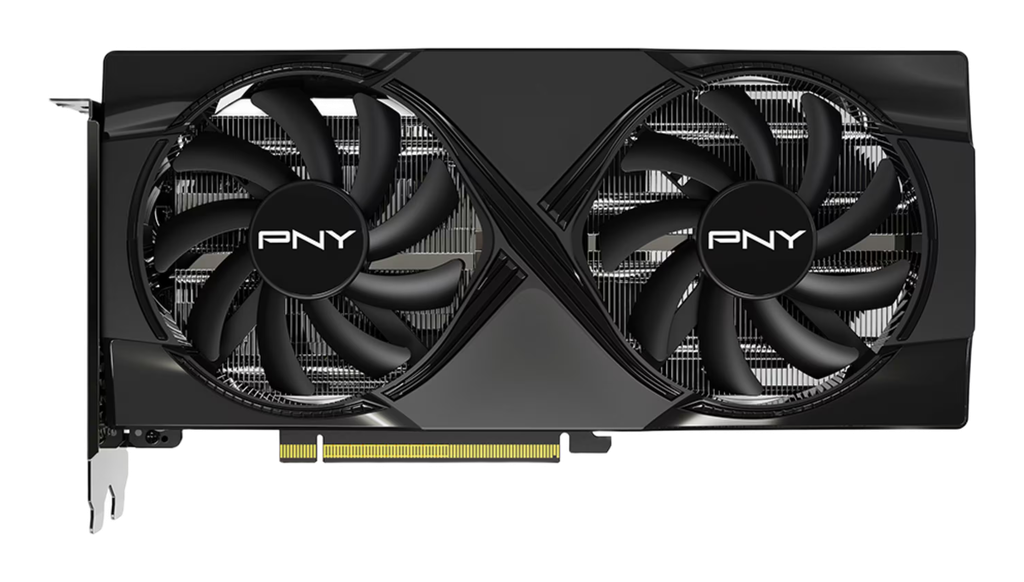 23 in stock · from $499.99 | 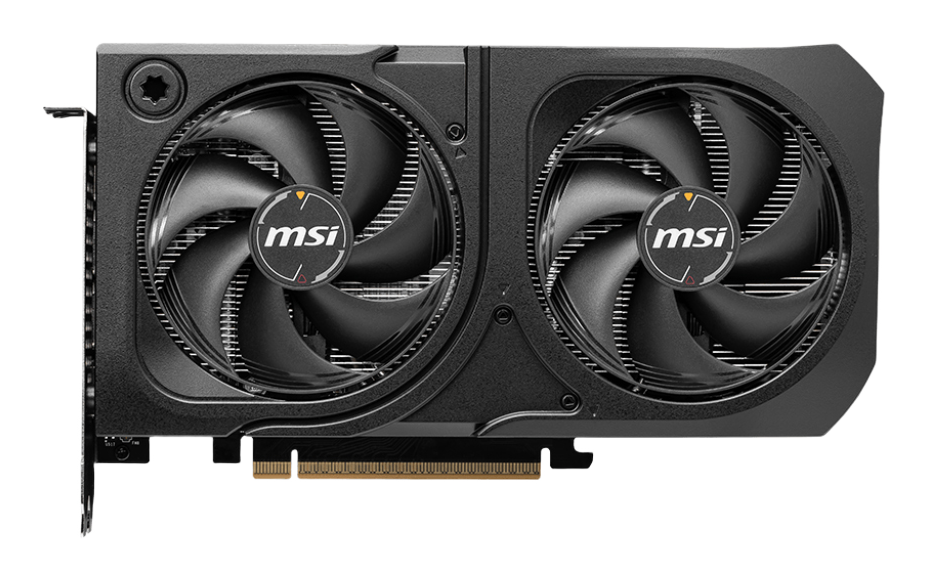 25 in stock · from $617.99 | |
| 8GB GDDR7 | Video memory | 16GB GDDR7 |
| 4,608 | CUDA cores | 4,608 |
| 128-bit | Memory bus | 128-bit |
| 180 W | Graphics card power | 180 W |
| 5.0 x8 | PCIe | 5.0 x8 |
| $499.99 | Lowest price | $617.99 |
| $554.99 | Median price | $839.99 |
Frame rates
ComputerBase tested both versions in 27 games at 1440p on PCIe 5.0 and PCIe 4.0, with settings chosen for about 60 fps on the 16GB version. Geometric mean of the 27 games, published in May 2025.
On PCIe 5.0, Dragon Age: The Veilguard, Indiana Jones and the Great Circle, Oblivion Remastered, and Spider-Man 2 were unplayable on the 8GB version, and Final Fantasy XVI, MechWarrior 5: Clans, Monster Hunter Wilds, and The Last of Us Part II were barely playable. 12 of the 27 games ran the same on both versions.
Prices by brand
The solid bar is the lowest price and the lighter bar runs to the median.
| 8GB | Brand | 16GB |
|---|---|---|
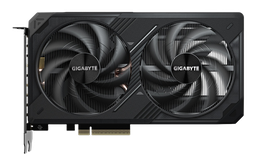
| $524.69 Median $539.99 | Gigabyte | $809.99 Median $848.49 |
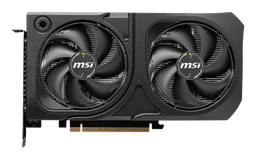
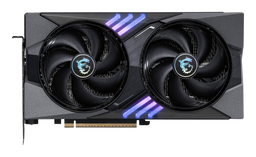
| $519.99 Median $624.98 | MSI | $617.99 Median $839.99 |
| $547.99 Median $609.49 | ASUS | $799.99 Median $826.07 |
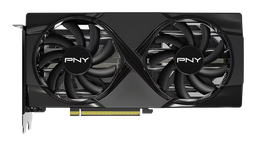
| $499.99 Median $529.99 | PNY | $769.99 Median $809.99 |
| $499.99 Median $569.49 | ZOTAC | $1,049.99 Median $1,253.00 |
| None in stock | Palit | $1,231.14 Median $1,231.14 |
Cheapest cards
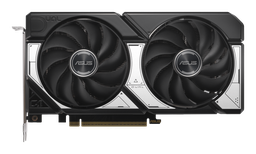
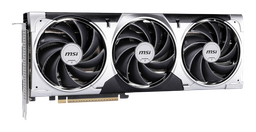
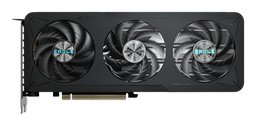
Questions
How do 8GB and 16GB prices compare?
In the US, the cheapest 16GB card is $617.99 and the cheapest 8GB card is $499.99. The median prices are $839.99 and $554.99.
Is 8GB enough for 1080p?
In most games, yes. TechSpot's review, published in April 2025, found 8GB enough for most games, and lower settings often playable where it is not. Some games need more even at native 1080p: the 16GB version was 35% faster in Spider-Man 2 at the High preset, and 25% faster in The Last of Us Part II at Very High.
Does the 8GB version need PCIe 5.0?
It runs on PCIe 4.0, but more slowly. Both versions use 8 PCIe lanes, and when the 8GB version runs out of video memory it uses system memory over PCIe. In ComputerBase's tests, it averaged 14% higher frame rates and 17% higher 1% lows on PCIe 5.0 than on PCIe 4.0. The 16GB version averaged 65.2 fps on PCIe 5.0 and 65.0 fps on PCIe 4.0.
Does lowering settings close the gap?
It narrows it. In TechSpot's tests of The Last of Us Part II at 1440p with DLSS Quality, the 16GB version was 34% faster at the Very High preset, 18% at High, 12% at Medium and 8% at Low.