IPS vs VA
Prices, refresh rates and the differences between IPS and VA desktop monitors in Australia.
Prices are for in-stock monitors, excluding portable monitors. Updated
How IPS and VA work
An IPS (in-plane switching) panel is an LCD. A backlight shines through a layer of liquid crystals that lie parallel to the screen and turn within that plane to let more or less light through each subpixel. Colour and contrast stay much the same when the screen is seen from the side, but the crystals do not block all of the backlight, so black areas glow slightly in a dark room.
A VA (vertical alignment) panel is also an LCD. Its liquid crystals stand upright when no voltage is applied and block most of the backlight, then tilt to let light through. Black areas are darker than on IPS: in RTINGS.com's tests, VA monitors average a native contrast ratio of about 3,300:1, against about 1,100:1 for IPS. Colour and contrast shift when a VA screen is seen from an angle, and its pixels are slow to change from dark shades.
| IPS | vs | VA |
|---|---|---|
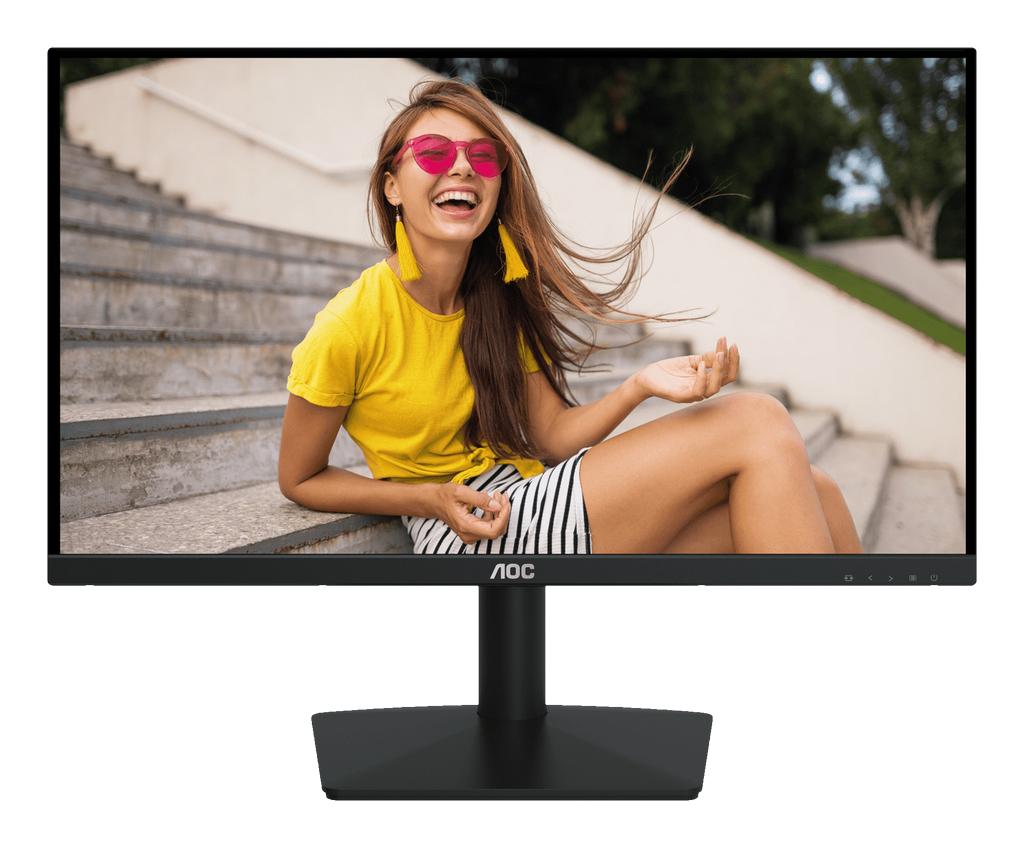 453 in stock · from $89 | 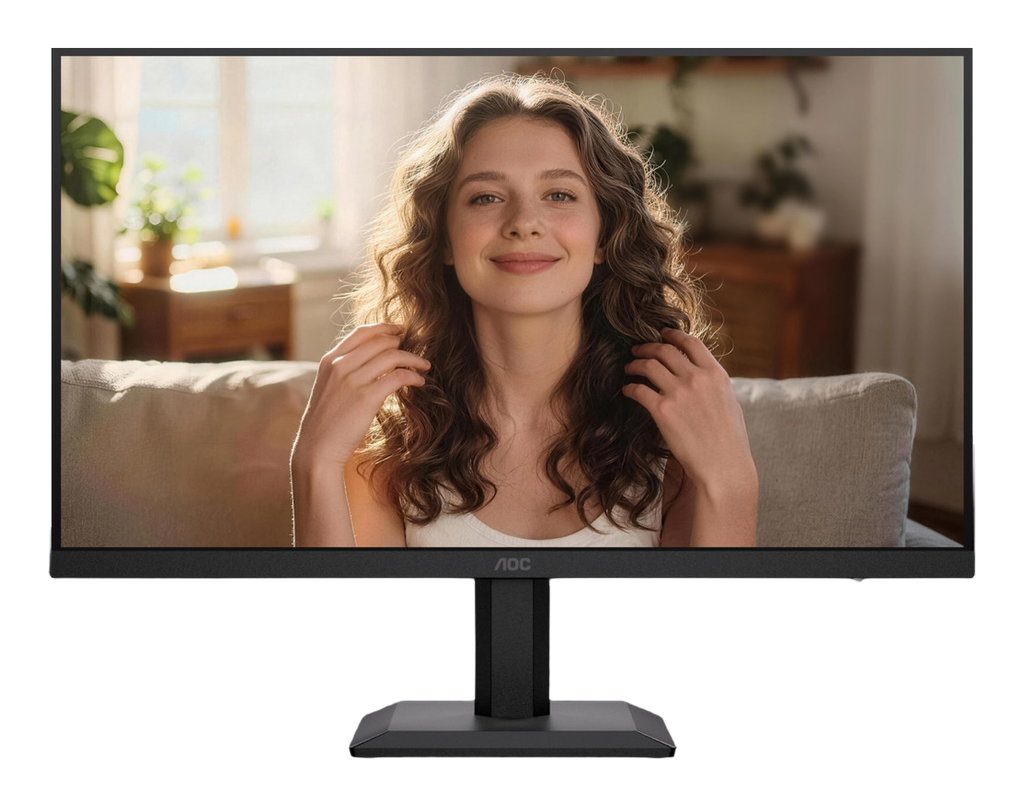 147 in stock · from $79 | |
| 120 Hz | Median refresh rate | 120 Hz |
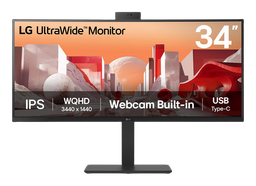
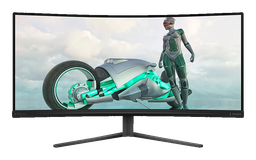
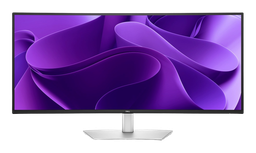
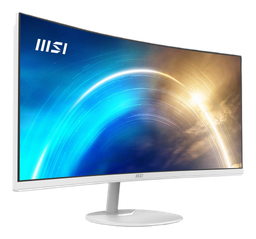
| $559 | Lowest 34″ 3440 × 1440 | $259 |
| The backlight stays on, so black areas glow slightly in a dark room. | Black areas | The crystals block more of the backlight, so black areas look darker than on IPS. |
| Colour and contrast hold when seen from the side. | Viewing angles | Colour and contrast shift when seen from an angle. |
| Rarely visible. | Black smearing | Pixels change slowly from dark shades, so dark objects can leave a trail as they move. |
Prices by size and resolution
Sizes and resolutions sold with both panels, at any refresh rate. The solid bar is the lowest price and the lighter bar runs to the median.
| IPS | Screen | VA |
|---|---|---|
| $129 Median $165 | 21.5″ · 1920 × 1080 | $89 Median $99 |
| $89 Median $179 | 24–25″ class · 1920 × 1080 | $79 Median $164 |
| $115 Median $193.44 | 27″ class · 1920 × 1080 | $99 Median $184 |
| $135 Median $333 | 27″ class · 2560 × 1440 | $175 Median $293 |
| $299 Median $299 | 32″ class · 1920 × 1080 | $179 Median $269 |
| $285 Median $352 | 32″ class · 2560 × 1440 | $259 Median $296.50 |
| $447.77 Median $999 | 32″ class · 3840 × 2160 | $269 Median $469 |
| $559 Median $929 | 34″ class · 3440 × 1440 | $259 Median $458.50 |
| $499 Median $999 | 42.5″ · 3840 × 2160 | $749 Median $749 |
| $1,979 Median $1,985 | 49″ class · 5120 × 1440 | $1,099 Median $1,192.50 |
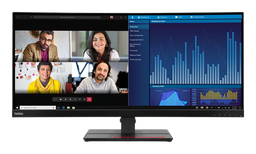
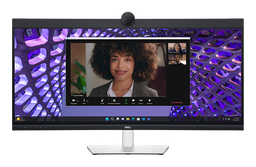
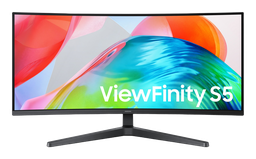
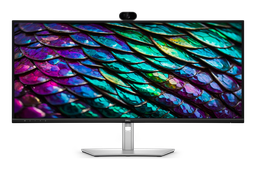
Cheapest 34″ 3440 × 1440 monitors
Refresh rates
Monitors in stock in each band of rated refresh rate.
| IPS · 453 monitors | Hz | VA · 147 monitors |
|---|---|---|
| | 420 | |
| | 250–360 | |
| | 200–240 | |
| | 146–180 | |
| | 144 | |
| | 120 | |
| | 100 | |
| | 60–75 | |
Questions
Do VA monitors smear?
Most do to some degree. VA pixels are slowest to change between near-black and brighter shades, so dark objects can leave a trail as they move, most visibly in dark games. Faster VA panels reduce the trail but do not remove it, and IPS monitors rarely show it. On any LCD, overdrive tuned for the maximum refresh rate can also make motion look worse when the frame rate is well below it.
How do IPS and VA prices compare?
34″ 3440 × 1440 IPS monitors start at $559 and VA monitors at $259. The median prices are $929 for IPS and $458.50 for VA.
Are VA monitors usually curved?
Of the monitors in stock with a known screen shape, 98 of 137 VA monitors are curved, against 19 of 354 IPS monitors. A curve brings the edges of the screen closer to facing the viewer, which reduces the shift in colour and contrast at the sides.